For more than six years, ARCOS has worked alongside schools, educators, government institutions, and development partners to advance a simple but powerful idea: education should equip young people not only with knowledge, but also with the skills, values, and confidence to build a sustainable future.
As we prepare for the next phase of the Eco-Schools Programme (2028-2031), recent engagements with key stakeholders offered an opportunity to reflect on how far we have come, celebrate shared achievements, and shape a common vision for the years ahead.
What emerged from these conversations was a clear affirmation that Education for Sustainable Development (ESD) is no longer a concept at the margins of education. It is increasingly becoming an integral part of Rwanda’s journey toward building resilient communities, nurturing environmental stewardship, and preparing future generations to address complex sustainability challenges.
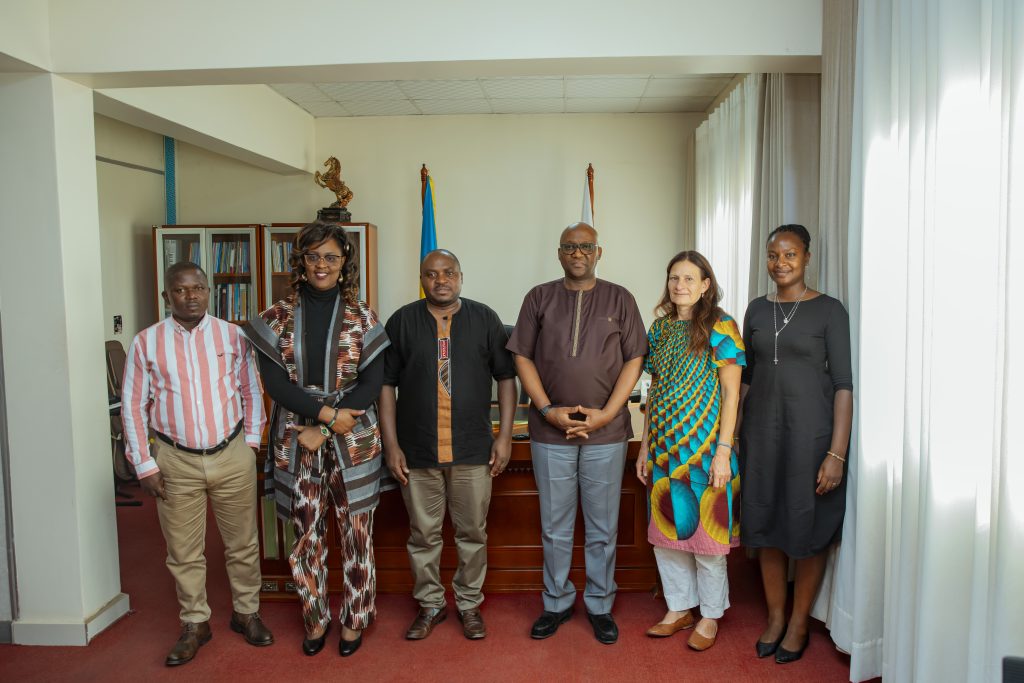
A partnership driving sustainable change
Since 2020, ARCOS, in partnership with the Danish Outdoor Council (DOC) and the Rwanda Basic Education Board (REB), has been implementing the Eco-Schools Programme as a vehicle for embedding sustainability into Rwanda’s education system.
The programme has grown into one of the country’s leading initiatives for promoting Education for Sustainable Development, aligning school learning with national priorities, the Sustainable Development Goals, and broader global efforts to advance climate action and ecosystem restoration.
This journey has been made possible through the collective commitment of schools, teachers, students, parents, local authorities, and institutional partners who share a common belief that sustainability must be learned through action as much as through instruction.
Empowering schools, teachers and learners
At the heart of the programme are the thousands of young people who are transforming environmental learning into practical action.
Since its introduction in Rwanda, the programme has reached more than 69,000 students, engaged over 23,000 parents and caregivers, and supported 1,800 teachers across 109 schools. Through the Eco-Schools Seven Steps methodology and participatory learning approaches, schools have been empowered to integrate sustainability into everyday teaching, learning, and decision-making.
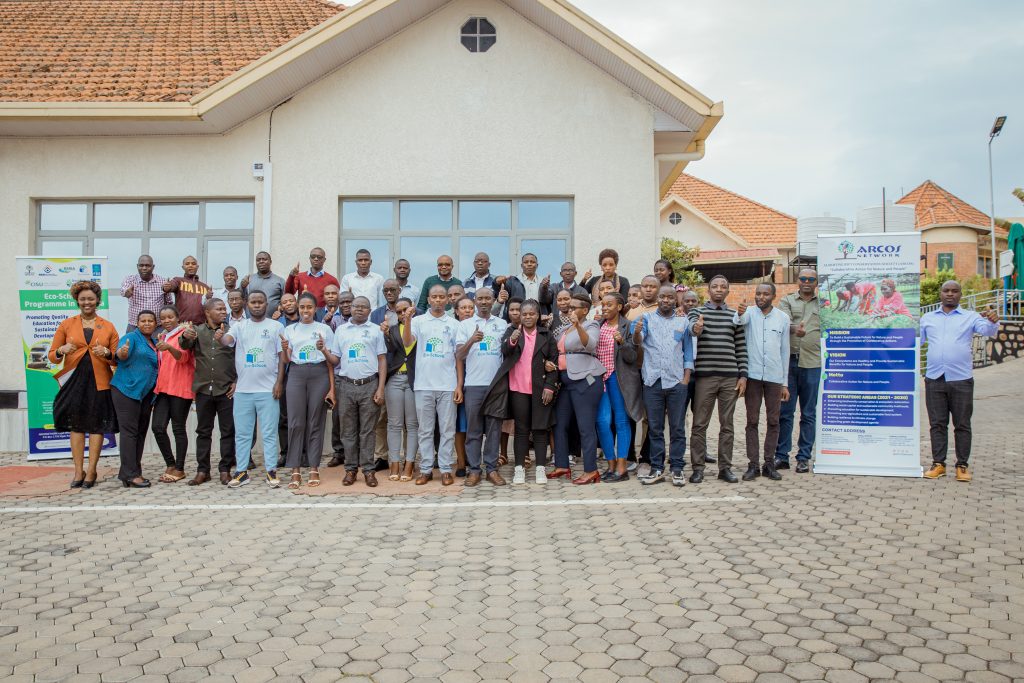
The programme has also contributed significantly to strengthening education quality through investment in teacher development and learning resources. In close collaboration with REB and education stakeholders, ARCOS supported the development of the Eco-Schools Teachers’ Training Manual and Facilitator’s Guide, which now serve as important tools for advancing Education for Sustainable Development across the country.
Hundreds of teachers, teacher trainers, and student teachers have benefited from capacity-building initiatives designed to strengthen their ability to deliver learner-centred, practical, and sustainability-focused education.
These efforts reflect a core belief at ARCOS: empowering educators is one of the most effective ways to create lasting change in schools and communities.
From classrooms to communities
One of the defining features of the Eco-Schools Programme has been its emphasis on learning by doing.
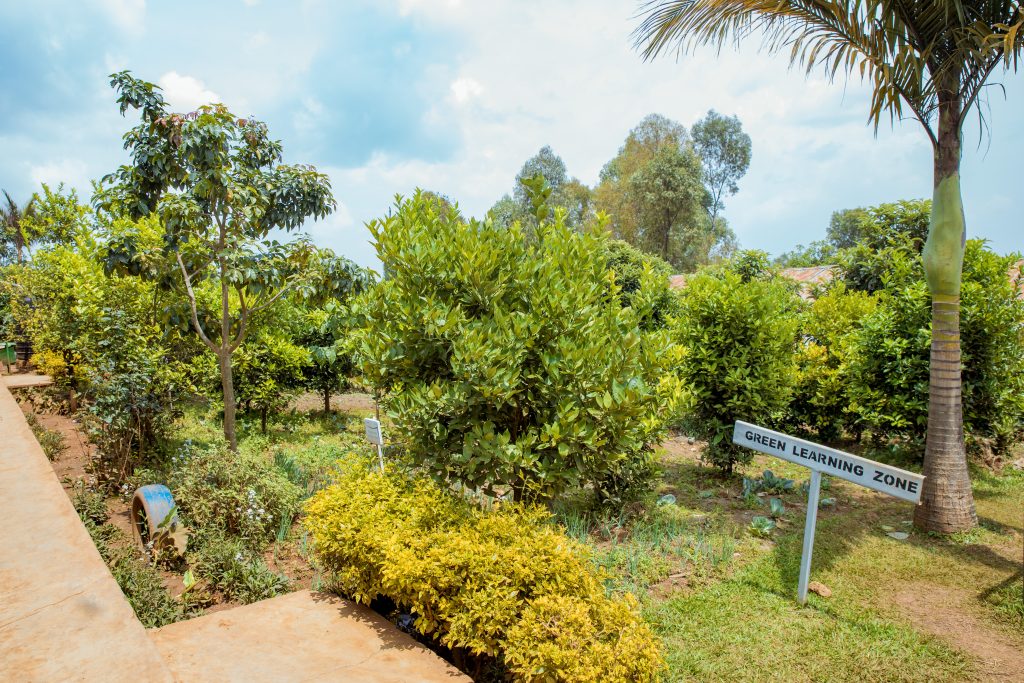
Across participating schools, Green Learning Zones have transformed school compounds into living classrooms where students engage directly with environmental challenges and solutions. Through these spaces, learners explore issues such as climate resilience, ecosystem restoration, biodiversity conservation, sustainable agriculture, and responsible resource use through hands-on experiences.
The results have been remarkable.
More than 80 climate-resilient school-based microprojects have been implemented, many of which have been replicated by students in their homes and communities. This level of uptake demonstrates that sustainability education can inspire meaningful behaviour change well beyond school boundaries.
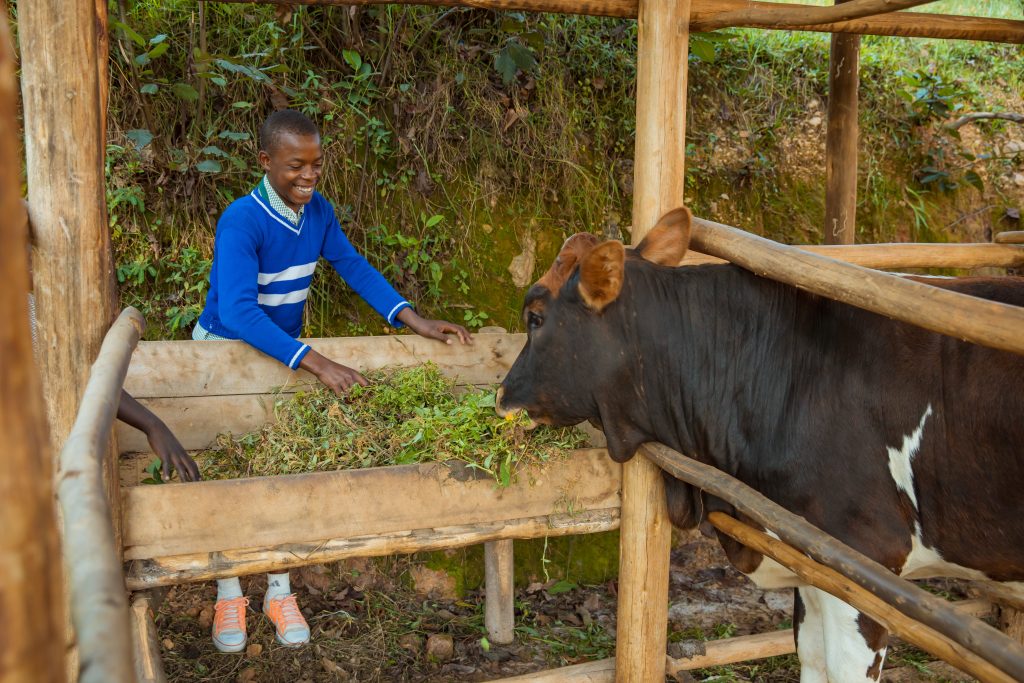
Schools have also planted more than 100,000 native and fruit trees, contributing to ecosystem restoration efforts while fostering a culture of environmental responsibility among young people.
In several communities, innovative gravity-powered irrigation systems have been established to support both schools and surrounding households, creating practical links between education, climate adaptation, and community resilience.
Strengthening partnerships for greater impact
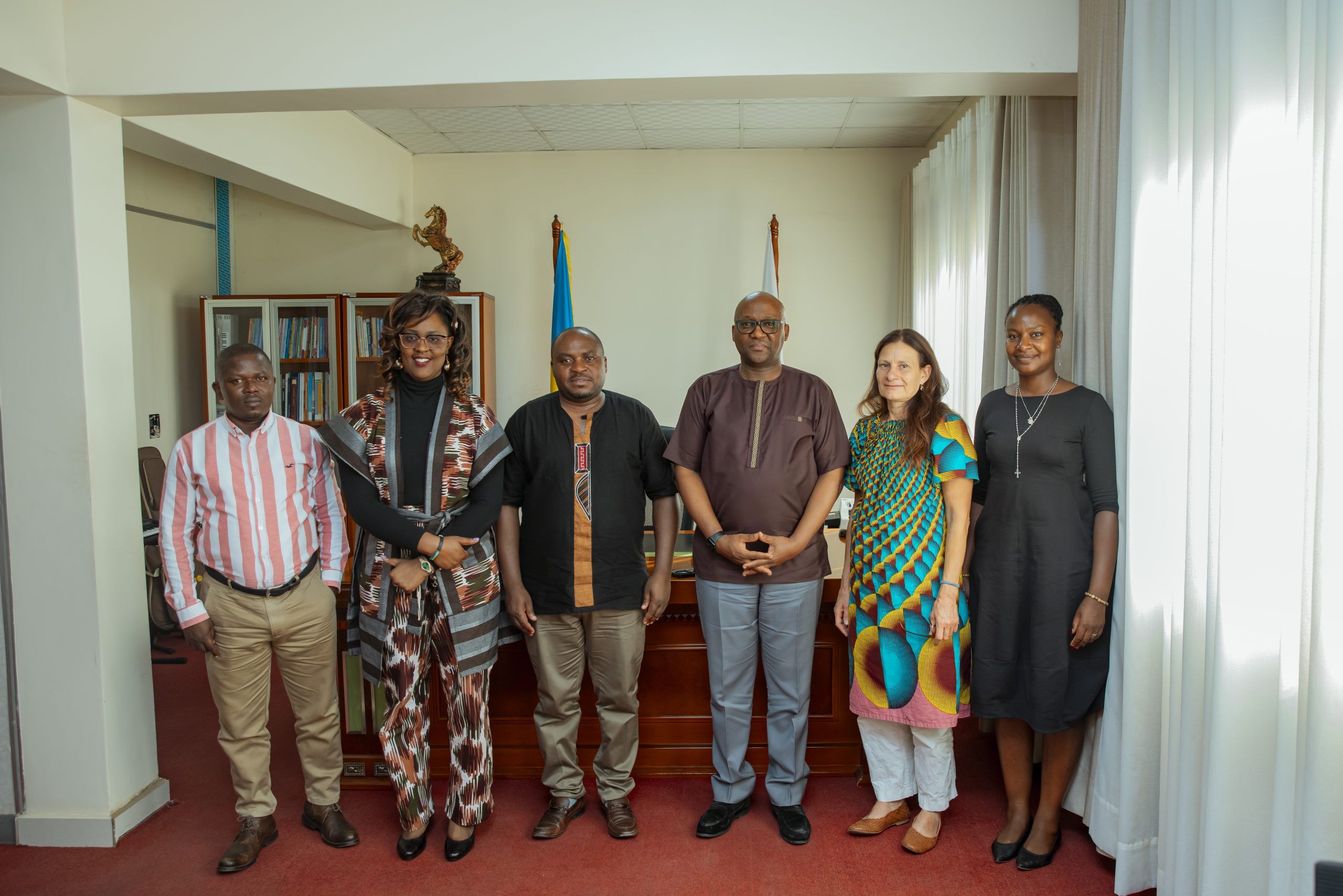
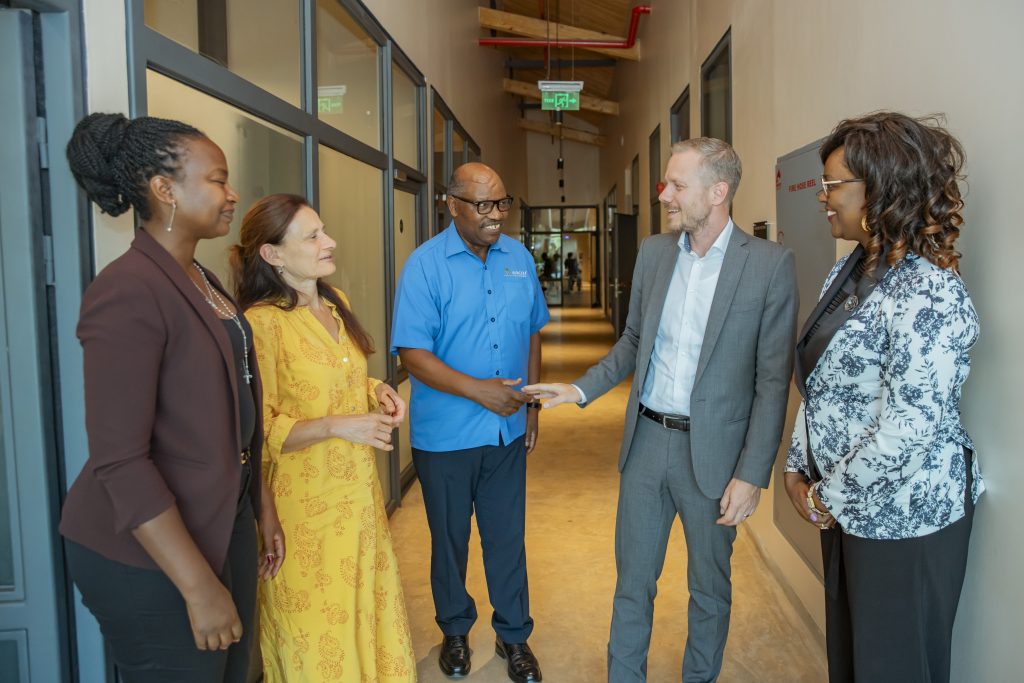
The recent consultations with the Embassy of Denmark, REB, UNESCO/NatCom, district authorities, and partner schools highlighted an important lesson from the past six years: sustainable change requires strong and enduring partnerships.
These engagements provided an opportunity to explore how the next phase of the programme can build on existing successes while responding to emerging priorities in education, climate action, and sustainable development.
They also reaffirmed a shared commitment to ensuring that young people remain at the centre of efforts to create a greener, more resilient future.
Looking ahead
As ARCOS looks toward the next chapter of the Eco-Schools Programme, we do so with optimism and a renewed sense of purpose.
The foundations are strong. Schools are increasingly embracing sustainability as part of their culture. Teachers are equipped with new tools and approaches. Students are demonstrating leadership both within and beyond the classroom. Partnerships continue to grow and evolve.
Most importantly, a generation of young people is emerging with the knowledge, skills, and values needed to become active custodians of the environment and champions of sustainable development.
The journey that began in 2020 is far from over.
Together with our partners, we remain committed to strengthening climate-resilient education, expanding opportunities for learners, and advancing Education for Sustainable Development across Rwanda.
Because investing in education is not only about preparing young people for the future. It is about empowering them to shape it.